The surface is all red carpets, banquets, and “stable and better-than-ever” rhetoric.
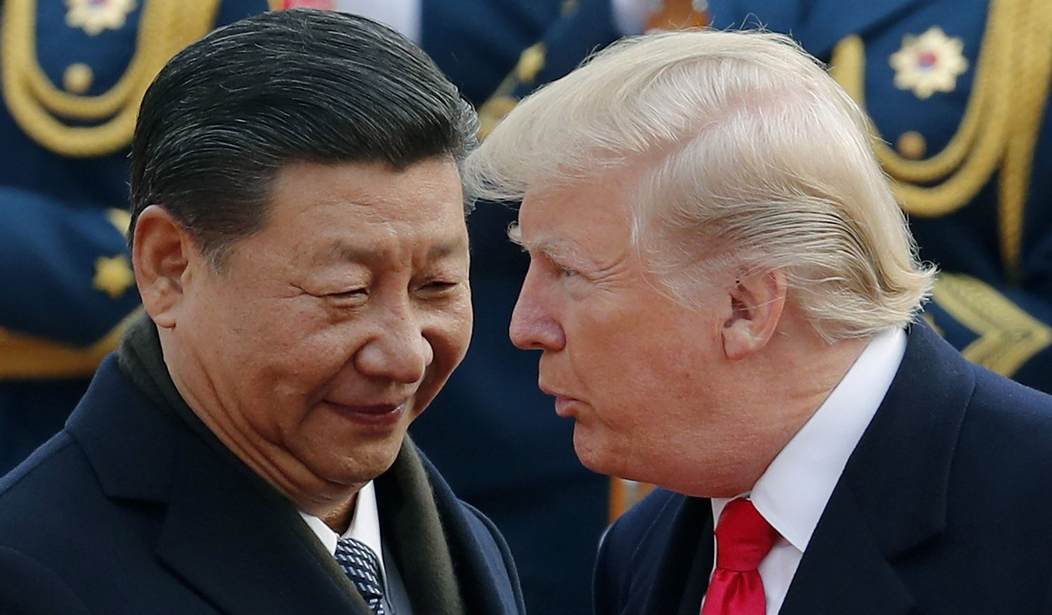
Xi is giving Trump the full state-visit treatment (Temple of Heaven, formal welcomes, CEO roundtables with Musk, Cook, Huang, etc.). But peel it back and this summit is classic great-power horse-trading: both sides are managing a deep structural rivalry while grabbing short-term wins where they can. No one expects a grand reset or “new era” of friendship—it’s damage control and transactional leverage in the middle of multiple crises.
What it’s really about (the hard incentives)
- Trade & Economic Rebalancing (the biggest immediate prize)
Trump wants tangible, politically visible wins for U.S. farmers, energy producers, and manufacturers—more Chinese purchases of American soybeans, LNG, Boeing planes, etc. China is open to that because it buys breathing room on tariffs. Beijing’s real goal: predictability so it can focus on its 15th Five-Year Plan (2026–2030). That plan quietly lowered the growth target to ~4.5–5 %, shifts emphasis to “high-quality” tech-driven growth, consumption, and self-reliance, and tries to fix the lingering “strong supply, weak demand” problem (overcapacity in solar/EVs, property/debt drag, demographics). China needs a calm external environment to restructure without a tariff shock derailing it. - Tech Supremacy & Supply-Chain Control (the long war)
U.S. export controls on advanced chips, AI, and dual-use tech stay front and center. China wants relief or work-arounds; the U.S. wants to keep the chokehold. Beijing has made tech self-reliance a national-security imperative—it’s no longer just industrial policy. Rare earths and critical minerals are China’s leverage card here (and Trump knows it). Expect modest “Board of Trade” or dialogue mechanisms, but the underlying decoupling race continues. - Taiwan (the single biggest flashpoint)
Xi has repeatedly told the U.S. side this is the absolute #1 issue. Any increase in U.S. arms sales or perceived “independence” moves is a red line. The U.S. position remains strategic ambiguity + deterrence. Neither side wants conflict right now, but this is the issue that could still blow everything up. - Iran War & Energy Security (the urgent global overlay)
Recent U.S./Israel actions against Iran have tightened the Strait of Hormuz—China gets roughly 40 % of its oil through there. Beijing isn’t going to send ships; it’s using diplomatic leverage with Iran to help calm things and reopen flows. Trump is pressing Xi hard on this: “You have influence—use it.” Energy prices and global supply stability matter to both economies right now. - Secondary but real issues
Fentanyl precursor chemicals, investment access for U.S. firms in China, and overall “strategic stability” language to keep military-to-military channels open and avoid accidental escalation.
- U.S. view: Transactional deal-maker mode. Trump wants quick, headline-grabbing concessions he can sell at home while keeping maximum pressure tools (tariffs, tech controls) in reserve. The Iran distraction gives Washington extra leverage.
- China view: Buy time. The economy is more fragile internally than the official narrative admits (weak consumption, local-government debt, youth unemployment echoes). Xi wants external stability to double down on tech/industrial upgrading without a full-blown trade war.
- Shared interest: Neither can afford open conflict right now. It’s the classic “Thucydides Trap” management—rising power vs. established power—tempered by mutual economic entanglement and the immediate Iran/energy shock.



No comments:
Post a Comment