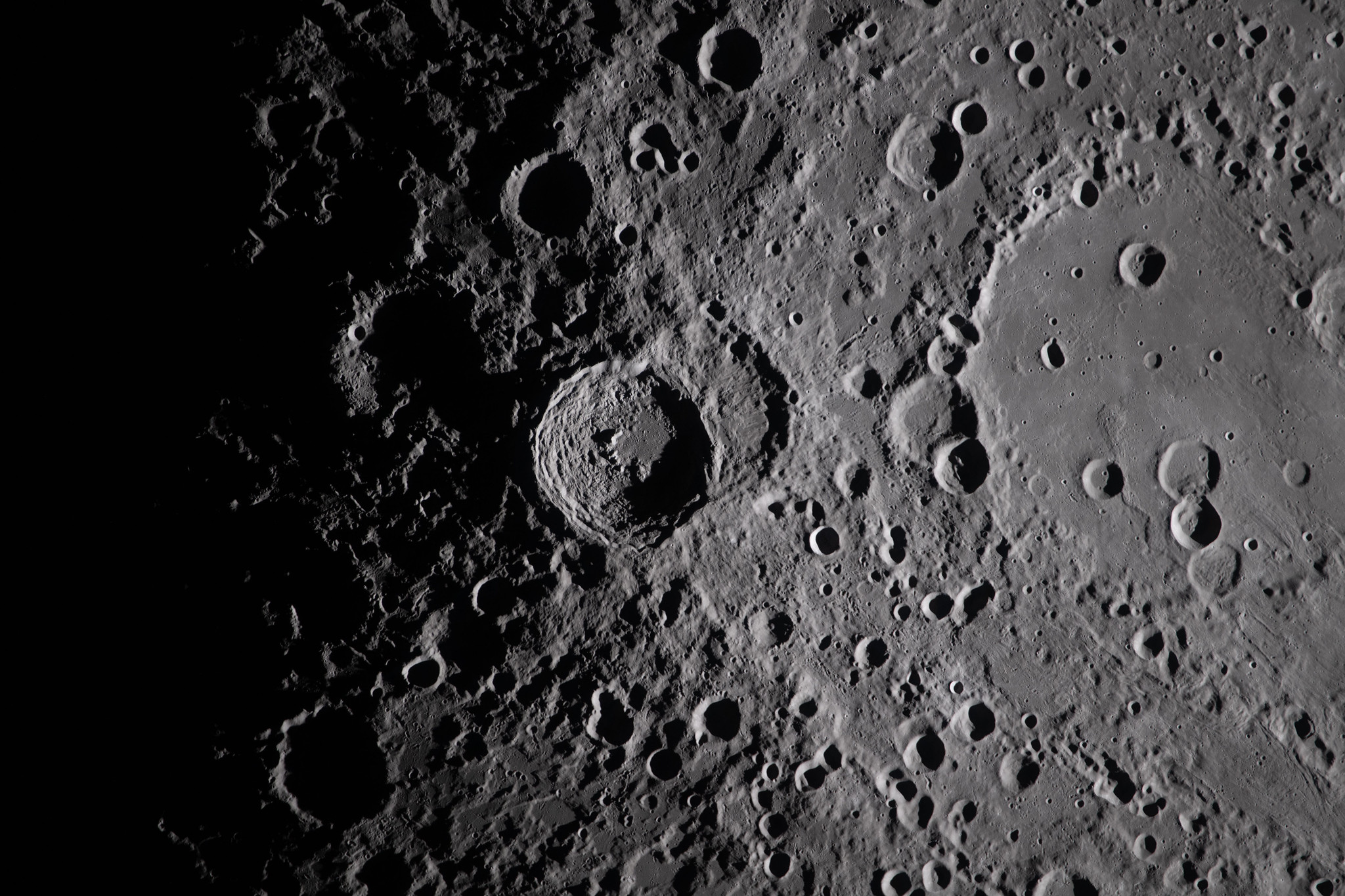
NASA’s Artemis II mission, carrying four astronauts on an out-of-this-world journey, flew around the Moon on Monday.
The crew members took turns describing the stunning landscape below and captured images of Earth rising behind the Moon, in communications with Mission Control in Houston. What they did not send back in real time, due to a lack of communications bandwidth, was this high-resolution imagery.
That changed on Monday night, when Orion established an optical link with ground stations on Earth to send high-resolution images back to the planet. NASA has been uploading them to Johnson Space Center’s Flickr page.
And what those images reveal is awe-inspiring.
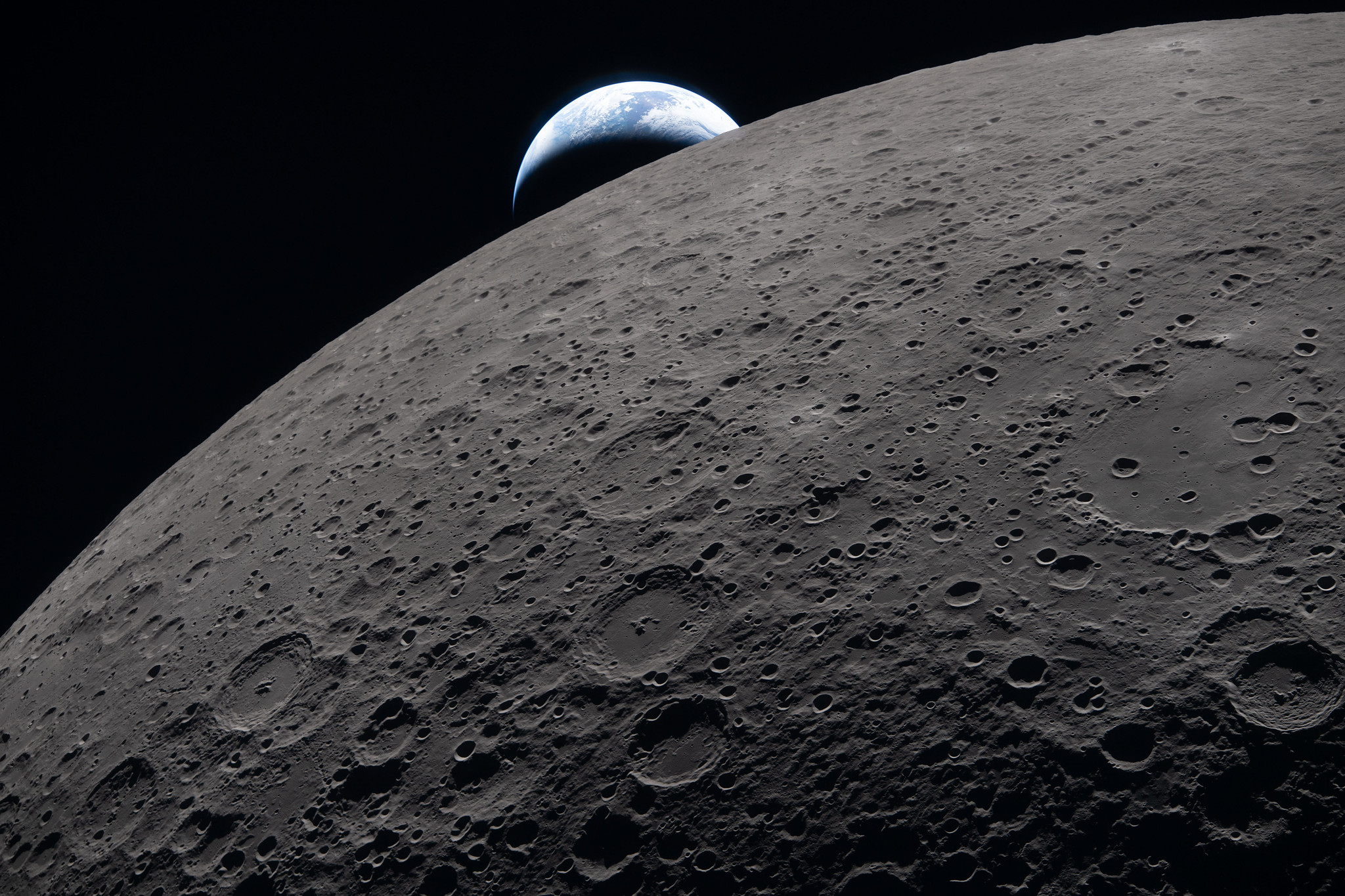
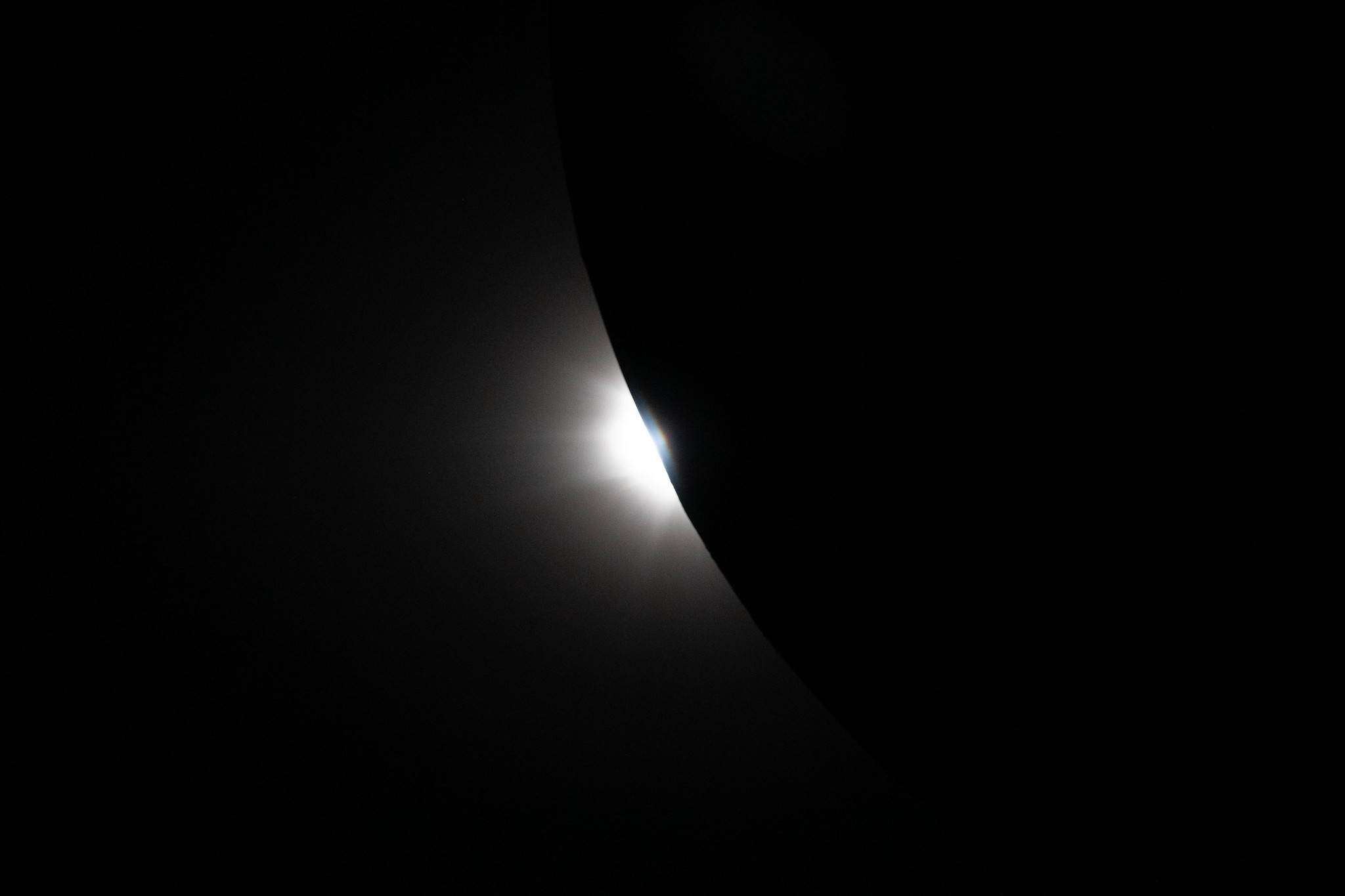
During their flyby, the astronauts were able to take advantage of both a rising and setting Earth, as well as a solar eclipse. The moment of totality was brilliant.
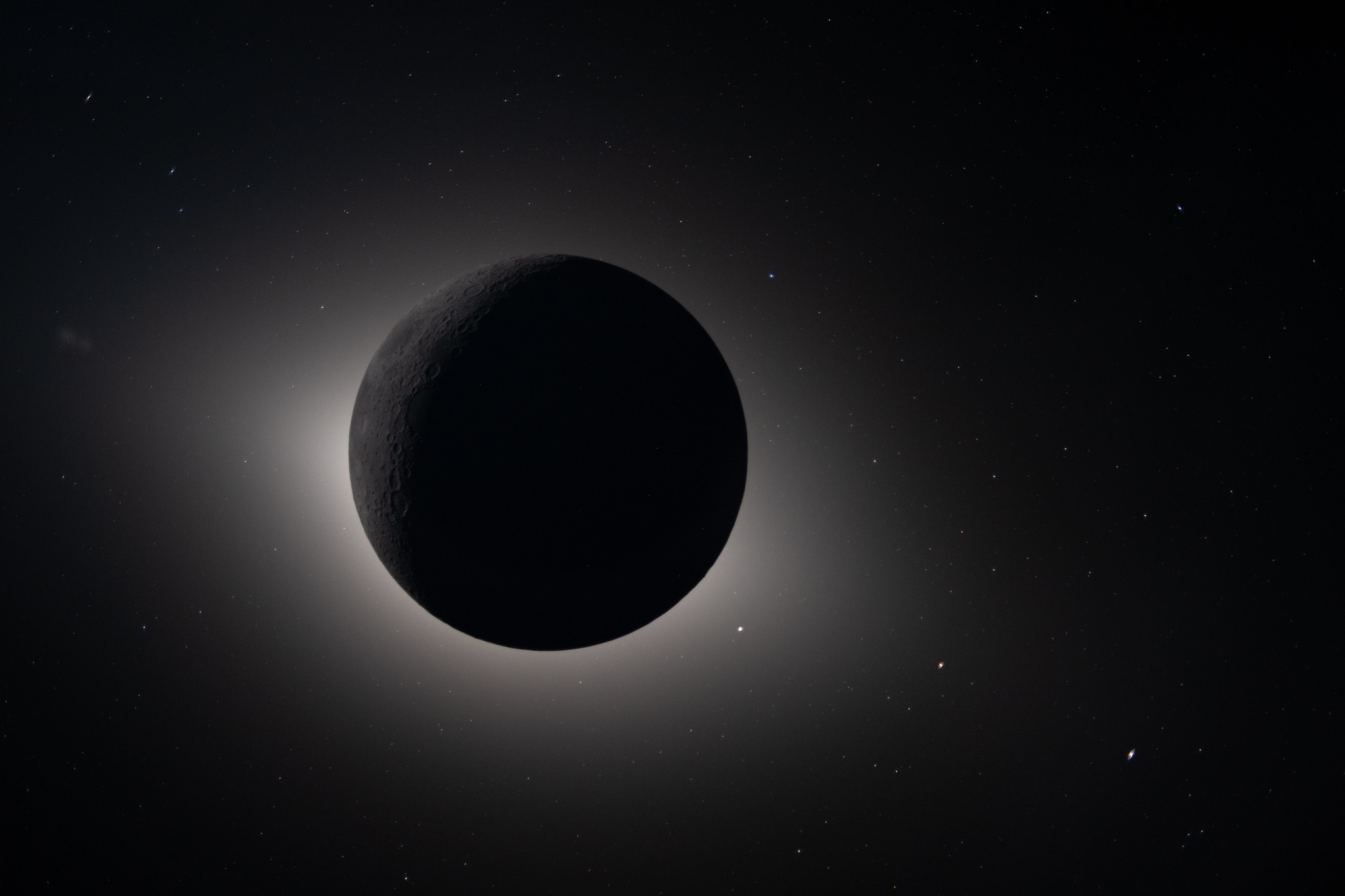
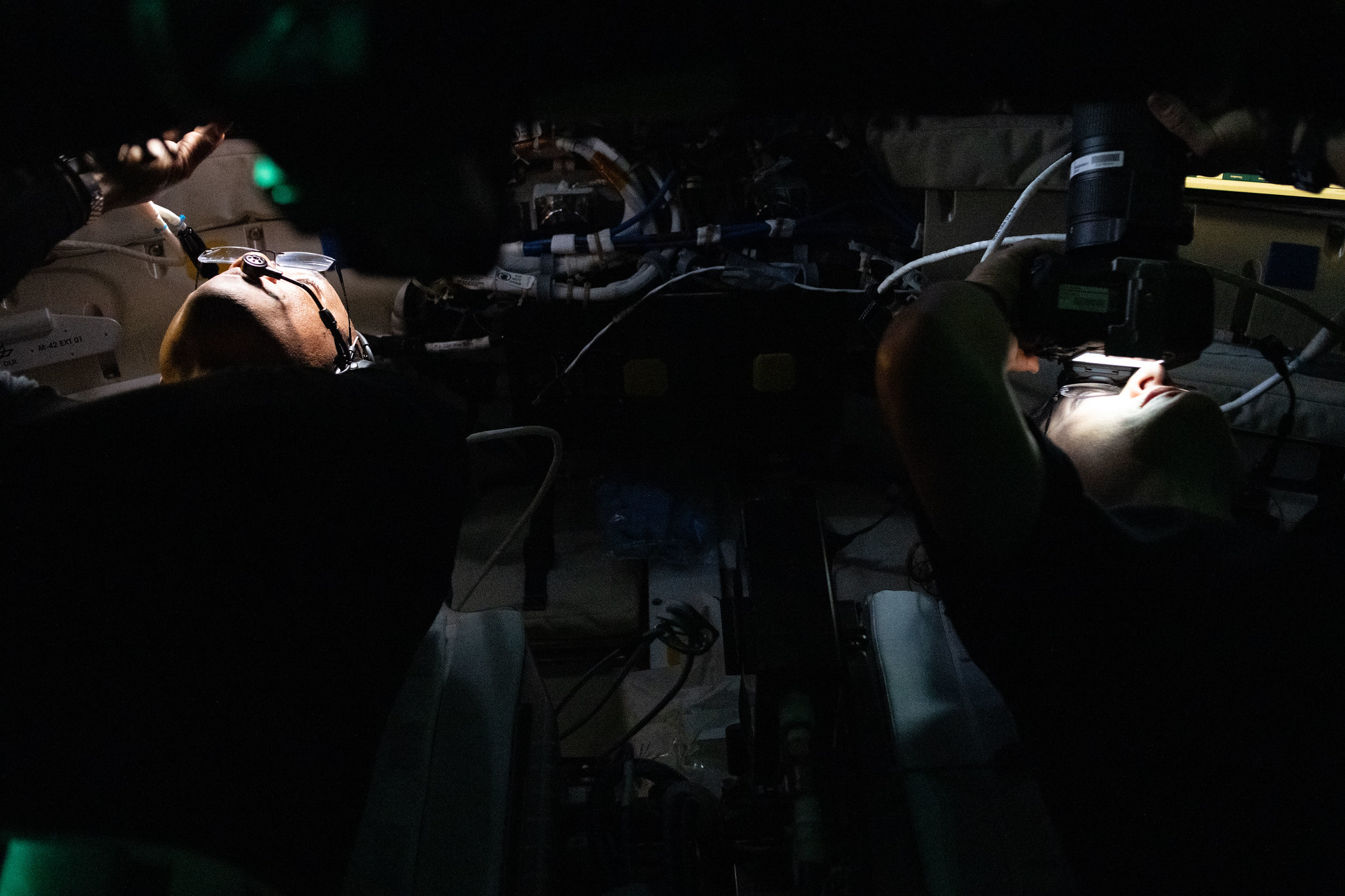
Inside the Integrity spacecraft, the four astronauts— Mission Specialist Christina Koch (top left), Mission Specialist Jeremy Hansen (bottom left), Commander Reid Wiseman (bottom right), and Pilot Victor Glover (top right)—had to wear shades for the initial phase of the eclipse.
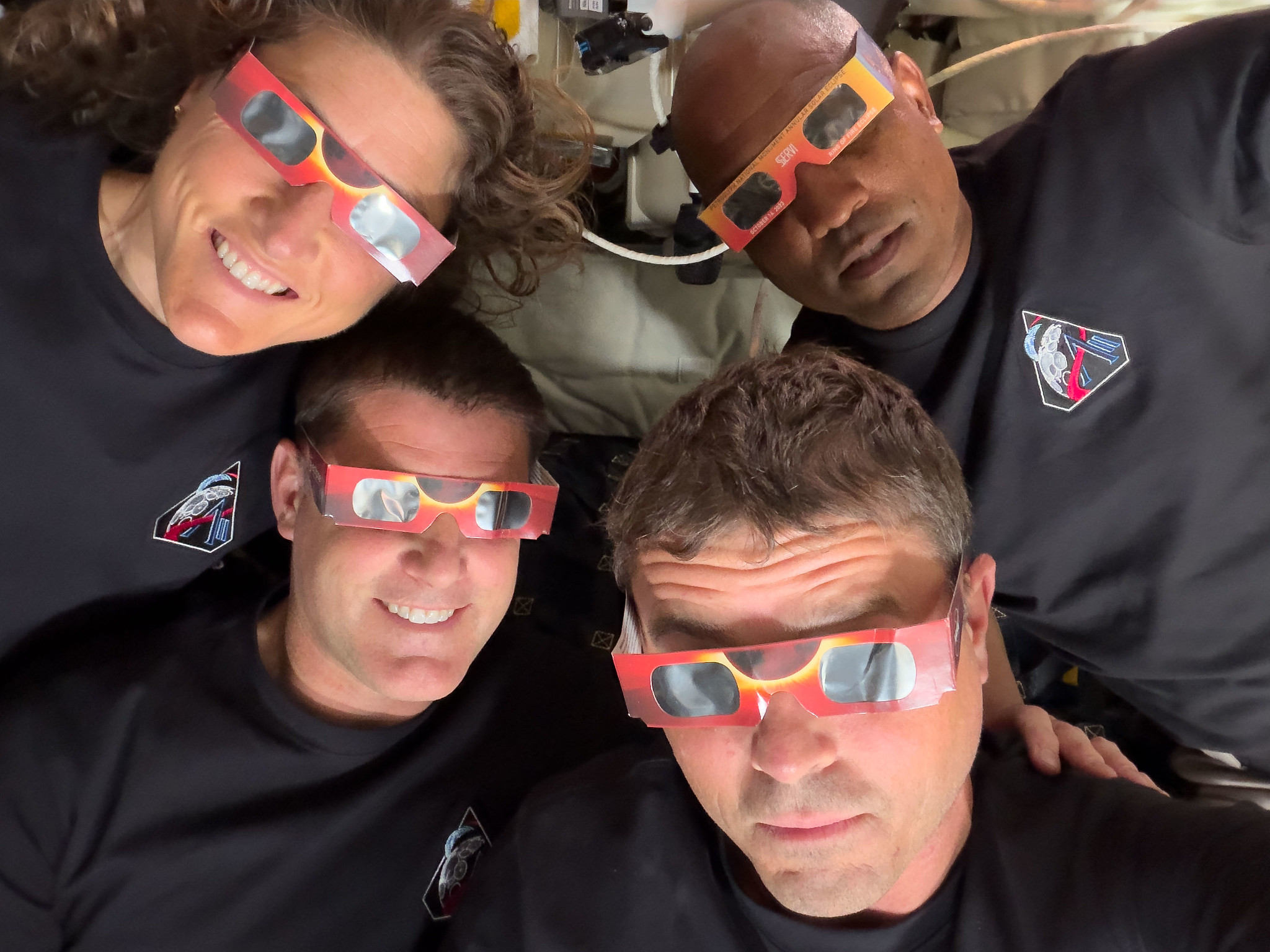
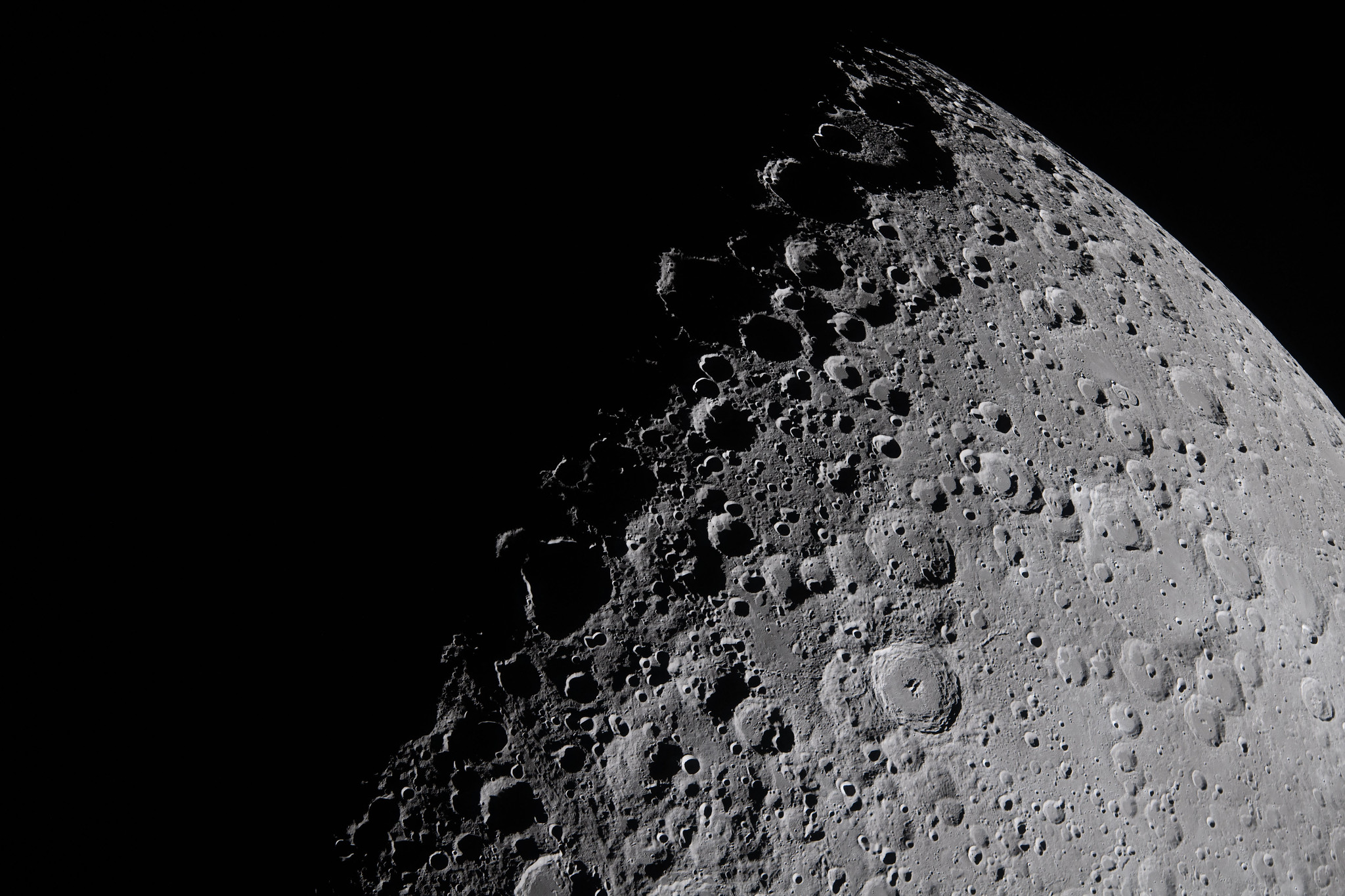
During their flyby of the Moon, the spacecraft got to within 4,067 miles (6,545 km) of the Moon’s surface.
Only a portion of the Moon is visible in frame below, with its curved edge revealing a bright sliver of sunlight returning after nearly an hour of darkness.
Each astronaut took turns photographing and documenting the Moon, both for audiences back on Earth and for the lunar science community.
Glover, the pilot on Artemis II, said the astronauts had trouble taking photos that did the view justice.
“What we’re seeing, we’re just not picking up on the cameras,” Glover said. “After all the amazing sights that we saw earlier, we just went sci-fi. It just looks unreal. You can see the surface of the Moon [from] the Earthshine. You can actually see a majority of the Moon. It is the strangest-looking thing.”
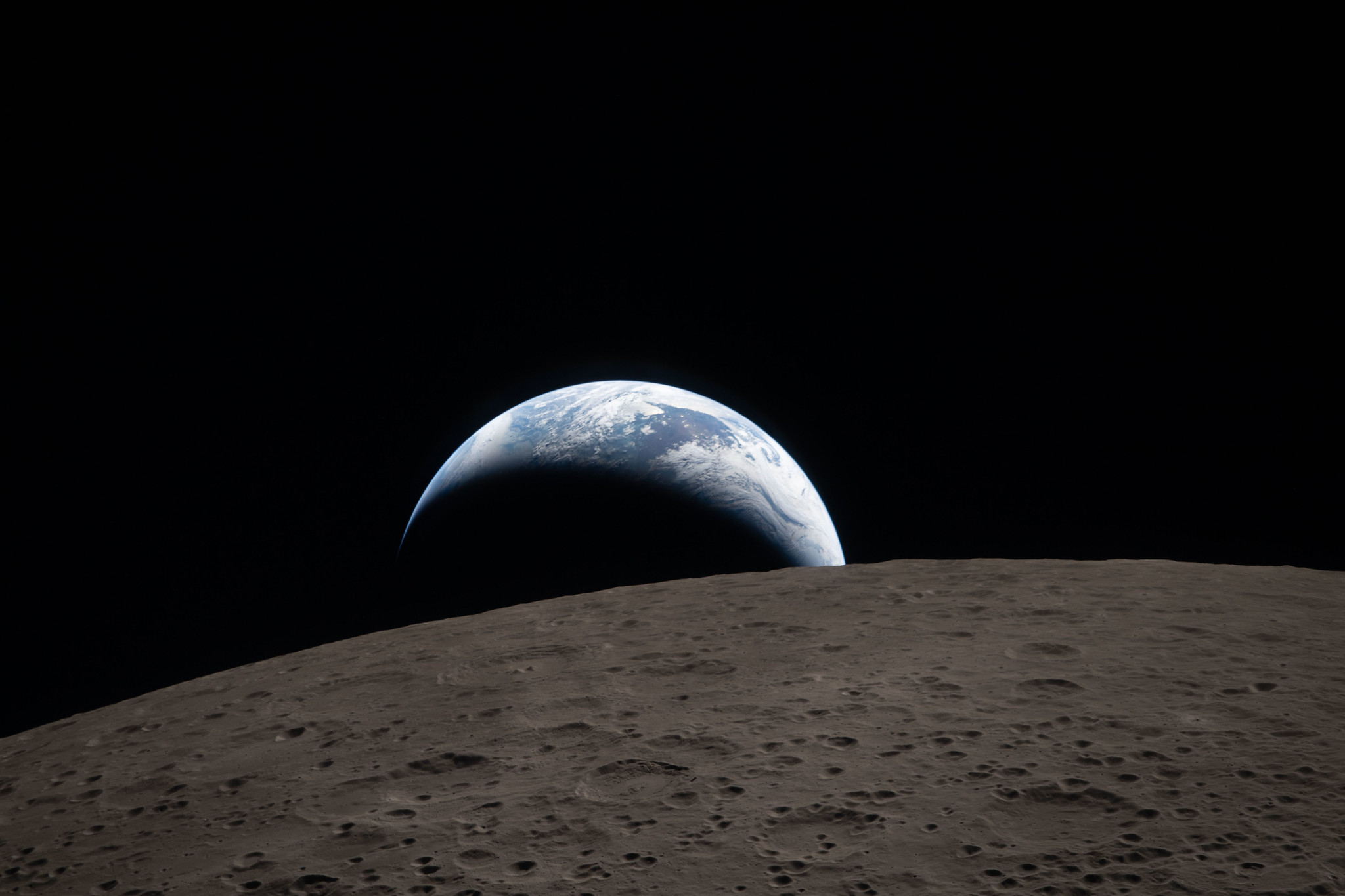
Humanity has seen similar images to the one below, beginning with the iconic Earthrise image captured by Apollo 8. But these are the highest-resolution images of the phenomenon and hint at a future with far more time spent near, and on, the Moon’s surface.
The Artemis II mission is now speeding back toward Earth, with the spacecraft due to splash down on Friday evening off the coast of California.
https://arstechnica.com/space/2026/04/the-artemis-ii-mission-sends-back-stunning-images-of-the-far-side-of-the-moon/


No comments:
Post a Comment