Is This Really “Treatment?” Clinics Are Selling Brain Shock Gimmicks to Struggling Adolescents
Republished with permission from AbleChild.
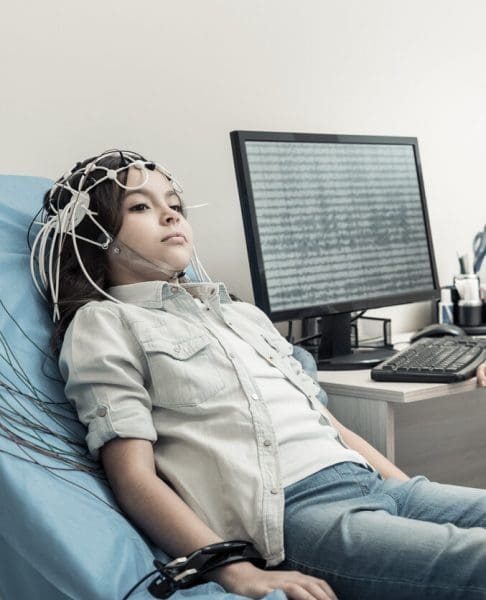
It’s called Transcranial magnetic stimulation (TMS) and it is exploding across psychiatry, sold as a “safe, non-drug” answer for depression, anxiety, OCD, addiction, and more. In reality, it is a fast-growing business that shifts people from powerful mind-altering drugs to powerful electromagnetic shocks to specific targeted brain tissue, without ever proving what abnormality it is “treating.”
AbleChild saw this up close in Wyoming, where a TMS-invested psychiatrist tried to shut down a basic reform: full toxicology testing in violent deaths. Lawmakers were considering a bill to require post-mortem testing for psychiatric drugs in cases like the murder-suicide of Tranyelle Harshman and the Covenant school shooting in Nashville. AbleChild argued that without hard numbers on psychiatric drug levels on the deceased, it is impossible to honestly opine whether these drugs helped, harmed, or triggered the violent behavior.
The behavioral-health establishment pushed back. A state coroner and medical examiner told legislators that “10 to 1 if you are taking your psych meds correctly you won’t die,” then focused on stigma talking points instead of real science. AbleChild was the only organization to publicly contest the psychiatric establishment: test the blood or stop pretending these drugs are automatically protective. That hearing in Wyoming laid the fault lines bare: either let the data speak the truth or let the industry keep making safety claims it never has proven.
The fight over psychiatric drug data goes straight to the heart of TMS. TMS is not a spa gadget. A coil is pressed to the scalp and fires strong, rapidly changing magnetic pulses into the brain (electrical shocks), reportedly forcing neurons to fire over and over in targeted regions and healing depression.
TMS sessions are repeated day after day and adverse effects include headache, scalp pain, facial twitching, dizziness, fatigue, and seizures as known risks, especially for those patients already on multiple psychiatric drugs or with other brain or medical problems. No one can tell families what repeated rounds of this direct brain interference mean for heavily medicated, still-developing young people, yet the industry hides behind calming words like “non-drug” and “non-invasive” to keep the business growing.
The FDA has approved TMS for adolescents aged 15-21 as an adjunct treatment, meaning it is used alongside therapy or medication. If TMS is used on children younger than 15, that procedure is off-label, not approved by the FDA.
Meanwhile, regulators have cleared TMS for teens with so-called “treatment-resistant depression” after drug regimens fail. That label turns failed treatment into a problem in the patient, not the system. Instead of asking whether misdiagnosis, polypharmacy, drug-induced agitation, akathisia, or reckless dose changes played a role, psychiatry renames the crisis as “resistance” and pushes the next step up the ladder: more drugs, then electrical devices.
In that light, it is no surprise that a TMS-invested psychiatrist would resist strong toxicology testing of mass killers. Careful blood-level data on antidepressants, antipsychotics, mood stabilizers, and combinations could show that some perpetrators were on high, shifting, or dangerously interacting “therapeutic” doses at the time of the deadly act. The levels of psychiatric drugs in the system would bring into question whether the violence was treatment-induced agitation, disinhibition, or collapse, not simply “untreated mental illness.” Once families, juries, and lawmakers can see dose spikes, abrupt switches, and risky stacks of drugs, blame no longer lands only on “the illness.” It lands on prescribers, guidelines, and now electric shock gimmicks.
The money behind this push is huge. The TMS boom is not organic; it is driven by a global device industry and branded clinic networks like Stella that turn drug-injured brains into revenue streams. One major TMS maker now reports nearly $150 million a year in revenue from its TMS platform and clinic network.
Stella sits at the sharp end of this business model, packaging ketamine, esketamine, and TMS into high-priced “treatment-resistant” bundles and helping normalize invasive, poorly studied brain interventions for vulnerable patients, including teens, while investors and device partners profit from every failed step up the psycho-pharma drug-and-device ladder.
Now this industry is showing up in the hottest corners of public life. It appears not only in state hearings where real reform is on the table, but even, as AbleChild reported, in the form of a TMS technician walking through the assassination crime scene in the Charlie Kirk investigation. It is unsettling to see where this TMS magnet deep brain stimulation branding keeps turning up.
All of these strands lead to one basic demand. A powerful, international neuromodulation industry, tied to ketamine chains like Stella and backed by serious capital, is reshaping psychiatry around high-tech brain interventions while fighting the one safeguard that could finally answer whether its own drugs and devices sometimes help create the disasters it later claims to treat. The answer is simple and long overdue: test the blood, tell the truth, and let the evidence speak for itself.
Be the Voice for the Voiceless
https://joehoft.com/is-this-really-treatment-clinics-are-selling-brain/



No comments:
Post a Comment