It doesn't take a genius like me to see that Donald Trump's recent military actions against Iran, Venezuela, the drug cartels, and the proxies of Iran in the Middle East are at least partially aimed at defanging China by stripping it of many of its most important allies.
Iran and Venezuela provided cheap oil to China, and as a result of Trump's recent actions, it has to find a replacement supplier for almost 20% of its oil supply and pay market rates as well.
Then there is the fact that China has taken a major prestige hit. Not only has it abandoned its allies at the moment of their greatest need, but the weapons China provided in the run-up to the conflicts have proved useless against American firepower.
Think about it: the US sent in HELICOPTERS to Caracas and arrested President Maduro. F-22s and F-35s spoofing your air defenses is bad enough, but when helicopters can fly through a major urban area and successfully complete their mission, that screams "failure."
It's hard to say that China's pulling back, for the moment, from harassing Taiwan by flying in its air defense identification zone is a direct result of Trump's flexing America's might, but it's pretty hard to argue that there is no relationship between recent American actions and China's "recalibration" of its tactics in pressuring Taiwan.
TAIPEI, March 5 (Reuters) - Chinese air force activity around Taiwan has fallen sharply in recent weeks, with no flights at all in the past week, a sudden drop in what had been daily military manoeuvres that could signal Beijing is recalibrating its pressure on Taipei.
China has dispatched 460 military planes - from fighter jets to drones - into Taiwan's air defence identification zone so far this year, a 46.5% drop compared with a year ago, according to Taiwan government data compiled by research group Secure Taiwan Associate Corporation (STA).
The Reuters Iran Briefing newsletter keeps you informed with the latest developments and analysis of the Iran war. Sign up here.
In February, Taiwan detected 190 such Chinese aircraft, the lowest monthly tally since its defence ministry began publishing detailed daily figures in 2022 on what Taipei sees an ongoing pressure campaign by Beijing which has been honing its ability to attack the island, including with war games.
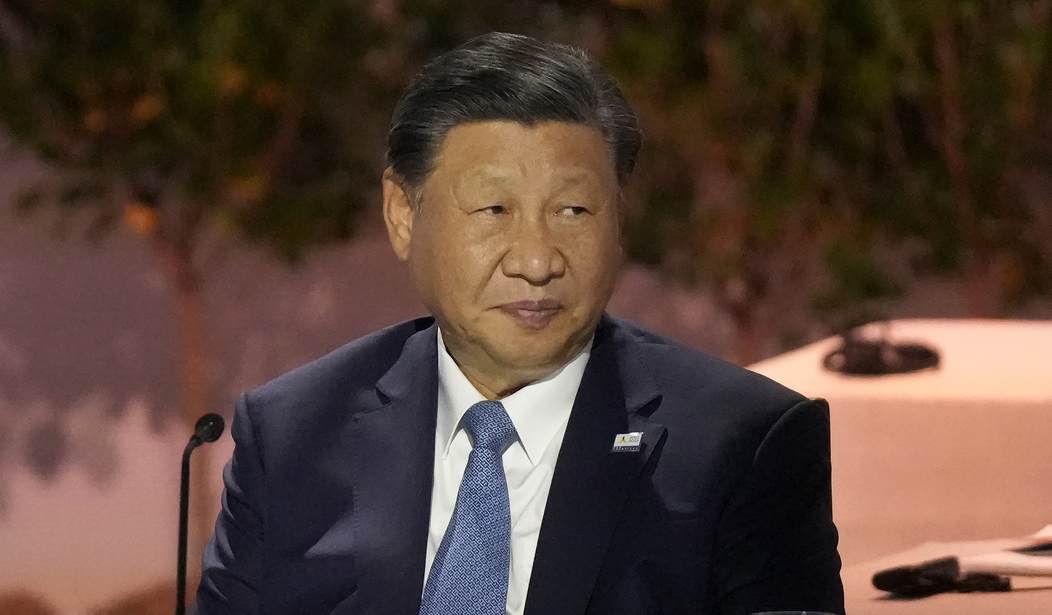
Chinese President Xi Jinping may be toning down visible pressure tactics to create a better atmosphere ahead of his anticipated meeting with U.S. President Donald Trump at the end of the month, two Taiwanese officials said.
Some people think that China is trying to appear more peaceful to Trump, to give a false sense that it has more peaceful intentions than it does. That is Taiwan's argument: don't be fooled; Taiwan has every reason to play up China's threat to keep the arms sales and aid flowing.
But there is an alternative explanation: that China is discovering that it is not nearly as militarily strong, nor is America as militarily weak, as they assumed.
Xi has been purging the top ranks of the Chinese Communist Party and the People's Liberation Army, including many who have been closely allied with him. The shakeup, taking place before his self-imposed deadline of being ready to invade Taiwan by next year, doesn't bode well for meeting that goal.
Nor does the collapse of his major trading partners. Russia is otherwise occupied, Venezuela is gone, and Iran obviously is in no position to support their war aims by creating chaos in the West. About all China has left, aside from a seemingly powerful but ill-led and untested military, is a massive and quite successful propaganda apparatus and a lot of politicians and academics who have sold their souls to Beijing.
But with Trump in office, they aren't exactly effective in persuading decision-makers. They may own some Democrats and academics, but Trump shrugs when they scream.
Reading tea leaves is a fun exercise, but it is no more reliable than tarot cards or fish entrails in predicting the future. Only intelligence can tell us what is really happening.
But we can make educated guesses, and my guess is that Xi is losing confidence in his military's readiness and leadership and is reconsidering his plans. That assessment could be wrong, because we can't read minds, but a lot of evidence points to that as a distinct possibility.


No comments:
Post a Comment