
Internet censors are working overtime. Political study sessions are intensifying. Behind closed doors, officials are calling on military personnel—one by one—asking them to clarify their stance on Iran.
The U.S.-led Iran strikes and death of the Iranian leader have rattled Beijing. Authorities are worrying about a chain reaction that could threaten the Chinese regime’s own stability, multiple sources told The Epoch Times on condition of anonymity.
In the days since the launch of Operation Epic Fury, top Chinese officials from the Politburo, the political power center in China, have called multiple secret meetings over the situation in Iran, according to one source with knowledge of the discussions.
High-ranking officials are repeatedly being instructed to draw lessons from the Soviet Union’s collapse, the source said. This type of historical comparison isn’t common in internal discussions, but in recent meetings, it has come up time and again.
The authorities are worried that Iran’s antigovernment protests could reverberate in China, the source said.
Several different sources confirmed that Beijing is on high alert.
‘Strategic Miscalculation’
China’s authorities had underestimated the chance of a U.S. military offensive, two separate inside sources previously told The Epoch Times.While Western allies reacted quickly to the strikes, China’s foreign ministry didn’t respond until about seven hours after the first strike, with a roughly 80-word statement calling for “an immediate stop to the military actions.”
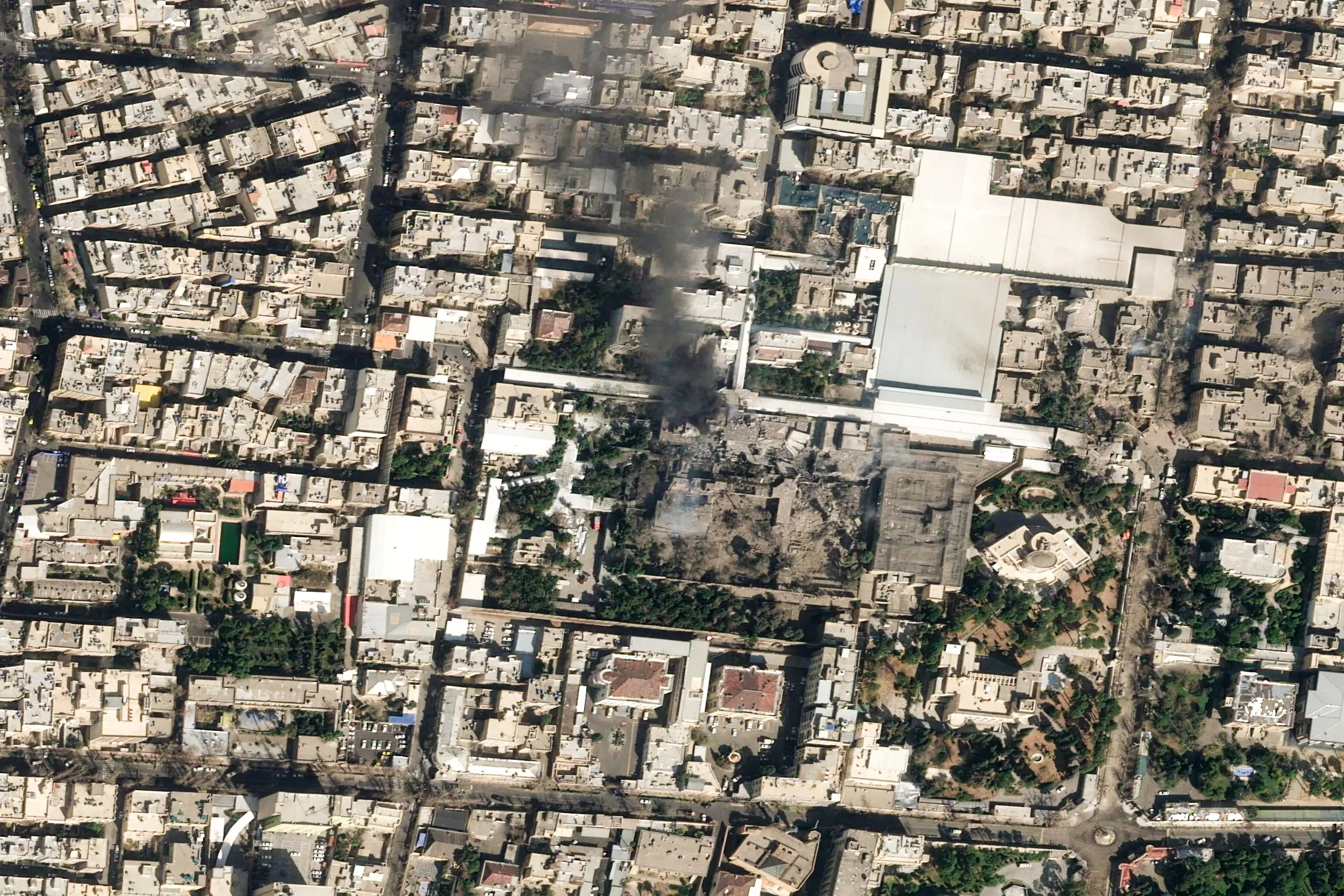
The muted statement was a “downgraded version” after multiple revisions, and after pointed criticism of the United States and Israel had been “deleted line by line,” a person close to individuals in Beijing’s diplomatic system said.
Chinese narratives prior to the conflict align with what the sources said.
In the days before missiles hit Tehran, prominent Chinese academics who act as state policy advisers openly derided the United States, saying that Washington would not dare attack Iran.
“The United States cannot afford the fight, cannot sustain it, and cannot win it,” retired Maj. Gen. Jin Yinan declared in an interview with a Chinese media outlet.
On the morning of the strike, Hu Xijin, former editor for Chinese state media Global Times, posted a video claiming that the “decapitation plan had fallen through” and that Iran’s supreme leader and president were safe. The video was quietly deleted.
The collective blunder isn’t merely a coincidence, according to China analyst Heng He.
“They got to the conclusion first, before looking for supporting evidence,” he said, and the conclusion “came from the top.”
Part of the misjudgment stems from its established mode of thinking, according to one source close to the Chinese foreign affairs system.
Beijing, despite having conducted comprehensive assessments on Iran, had leaned on an analytical framework used in the past few decades, according to one source close to the Chinese foreign affairs system. The reasoning goes that even though Iran has faced sustained U.S. military threats, none had evolved into full-sized kinetic attacks.
As a result, he said, fewer Chinese diplomatic personnel had evacuated from Tehran as compared with the Venezuela raid in January.
“This is a serious strategic miscalculation,” he told The Epoch Times.
Gag Order
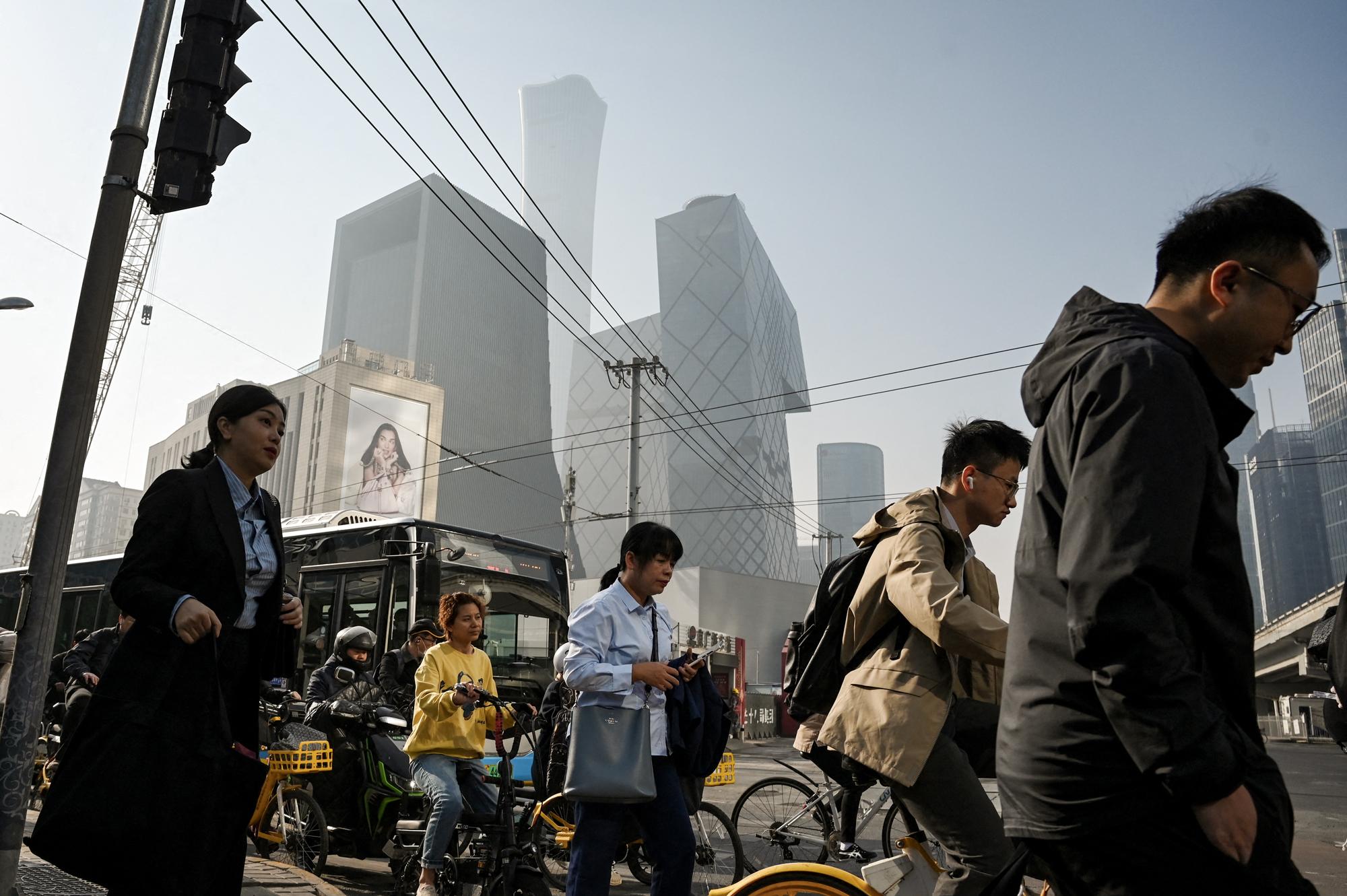
The regime also has its own internal turmoil to deal with.The fear in Beijing now is that the Iran situation will become a fuse for the pent-up anger in China to burst forth, the former propaganda affairs official said.
“The Chinese populace could take the opportunity to air out grievances and the military could refuse to obey orders,” he told The Epoch Times.
Regime authorities have been ordering more ideological reports from various military operation theaters, while demanding that lower-level officials provide regular accounts on what officers and soldiers are saying regarding the Iran war, according to several people close to the Chinese military circle.
In ad hoc political study sessions, officials have emphasized the importance of “sustaining political resolve” and “avoiding analogy in interpretation”—oblique warnings that aim to curb any possible ideas of a regime change, according to the sources.
Any internal talks on the issue within the military must follow a preapproved script, they said.
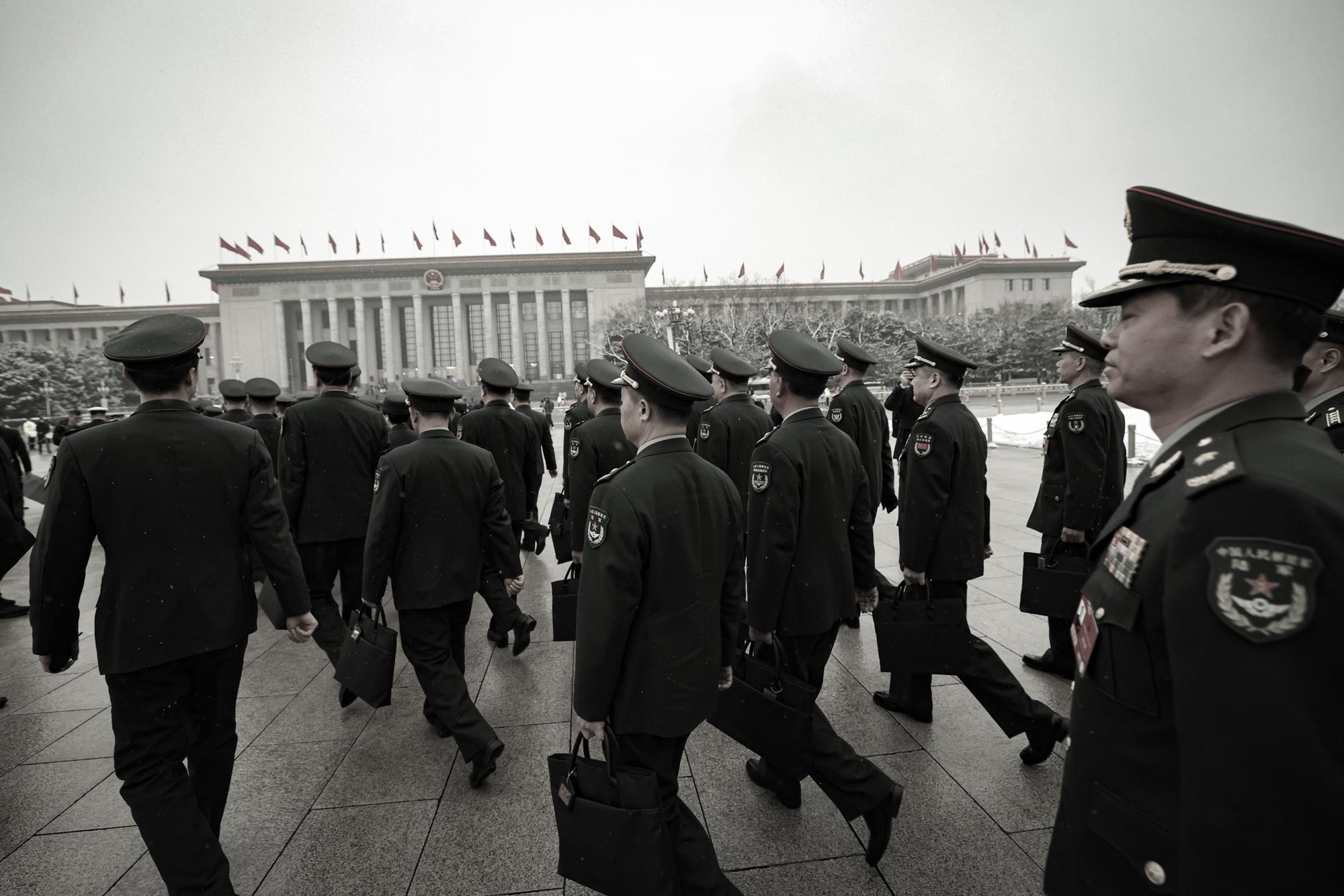
Another source described closed-door meetings in some military units, in which supervisors queried each officer’s views on the issue.
The officers all had to sign a pledge vowing a “clear stance” on the Iran situation, the source said. No one is to discuss the issue on personal WeChat groups or Moments, two social networking features on the Chinese mobile app, and violators would face Party disciplinary punishment, he said.
What the Party least wants right now is “private discussions, especially those comparing Iran’s situation with the domestic circumstances,” he told The Epoch Times.
The show of apprehension isn’t surprising, according to another source from inside the Chinese military.
Censorship
WeChat Channels, a live-streaming platform similar to TikTok, has been restricting traffic to feeds on issues such as “leader attacked,” “military’s choice,” and “regime change,” according to a person who manages the backend. He gave only the surname Zhao over fears of potential retaliation.These topics are “highly sensitive” and will trigger automatic censorship, Zhao told The Epoch Times, adding that he has seen several accounts suspended for sharing posts deemed problematic.
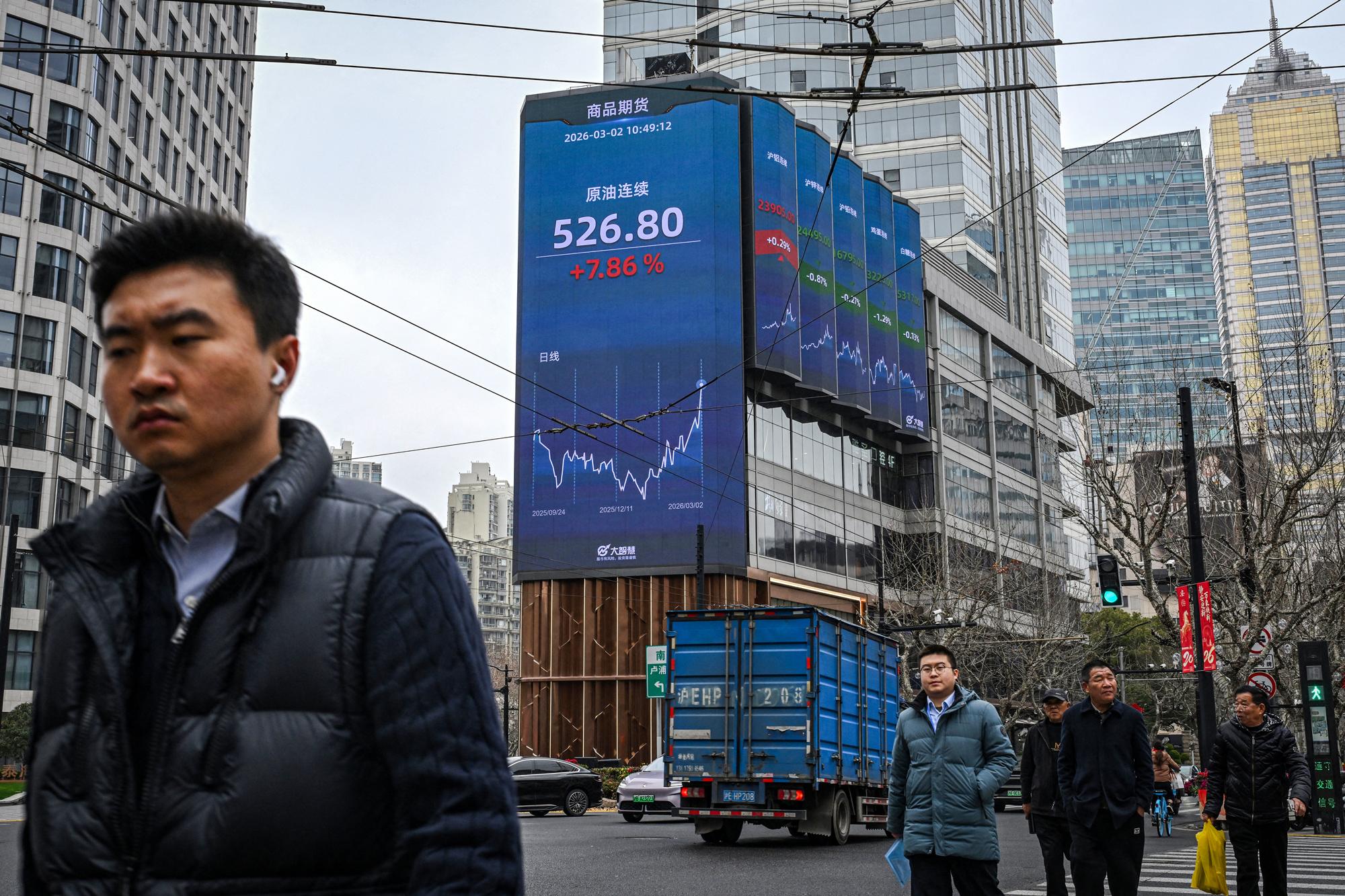
Iran is a key partner for China in the Middle East, supplying heavily discounted oil that accounted for more than 13 percent of China’s total crude oil imports by sea in 2025.
In 2021, the two countries signed a 25-year partnership, which included investment from China in a wide range of sectors—from infrastructure to trade.
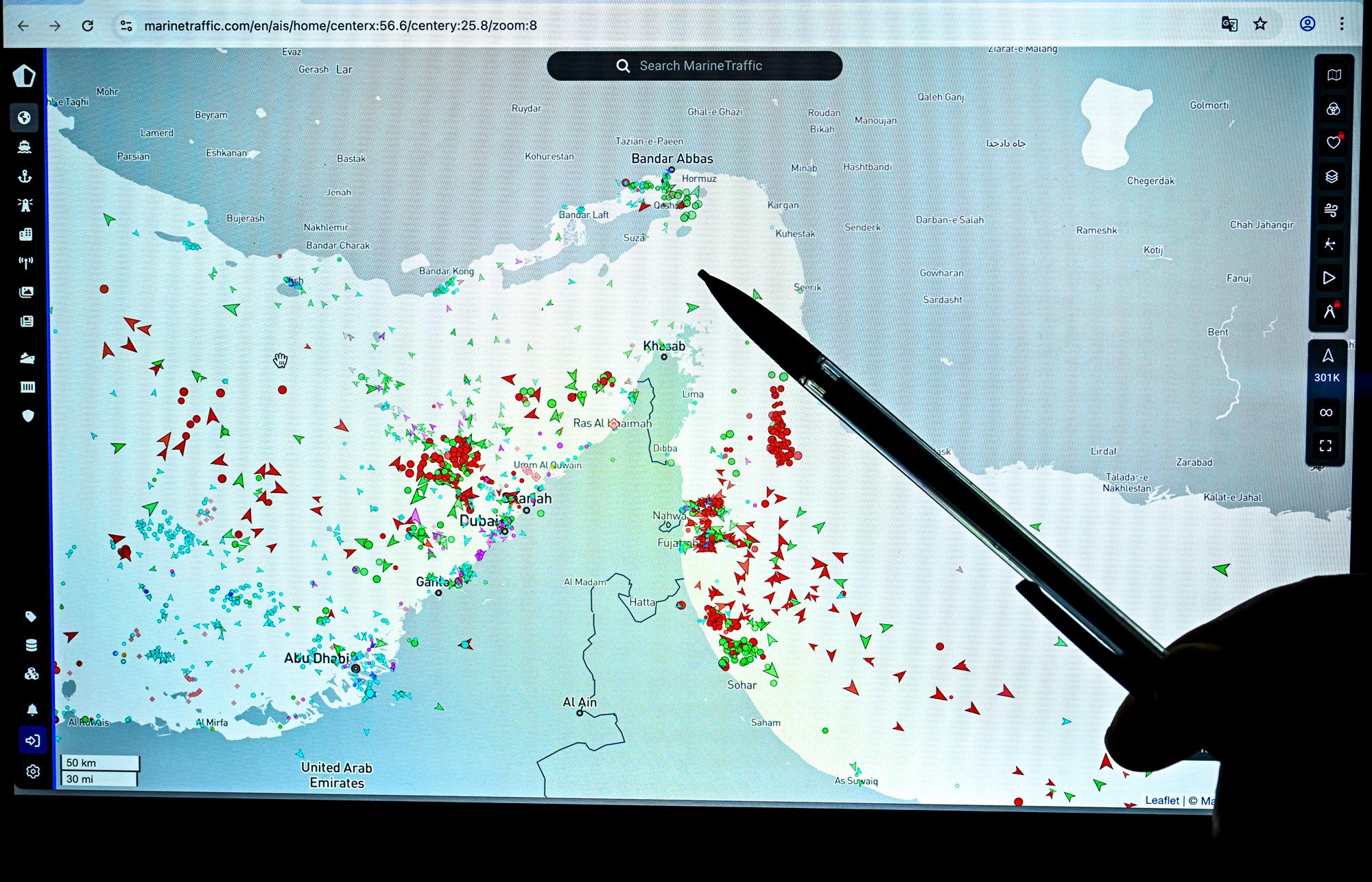
The Iran war has shut down the crucial Strait of Hormuz through which about one-fifth of the world’s natural gas and crude oil pass, sending global energy prices soaring.
The energy security problem could hurt the regime, but the political concerns rank higher on its list, said a China-based scholar who asked for his name to be withheld over safety concerns.
“It’s about the demonstration effect,” he told The Epoch Times. “Before the Soviet Union fell, it was similarly facing external strains and internal cracks.”


No comments:
Post a Comment