No full generals appeared at the Beijing gathering, highlighting ongoing purges and strain within the CCP’s military leadership.
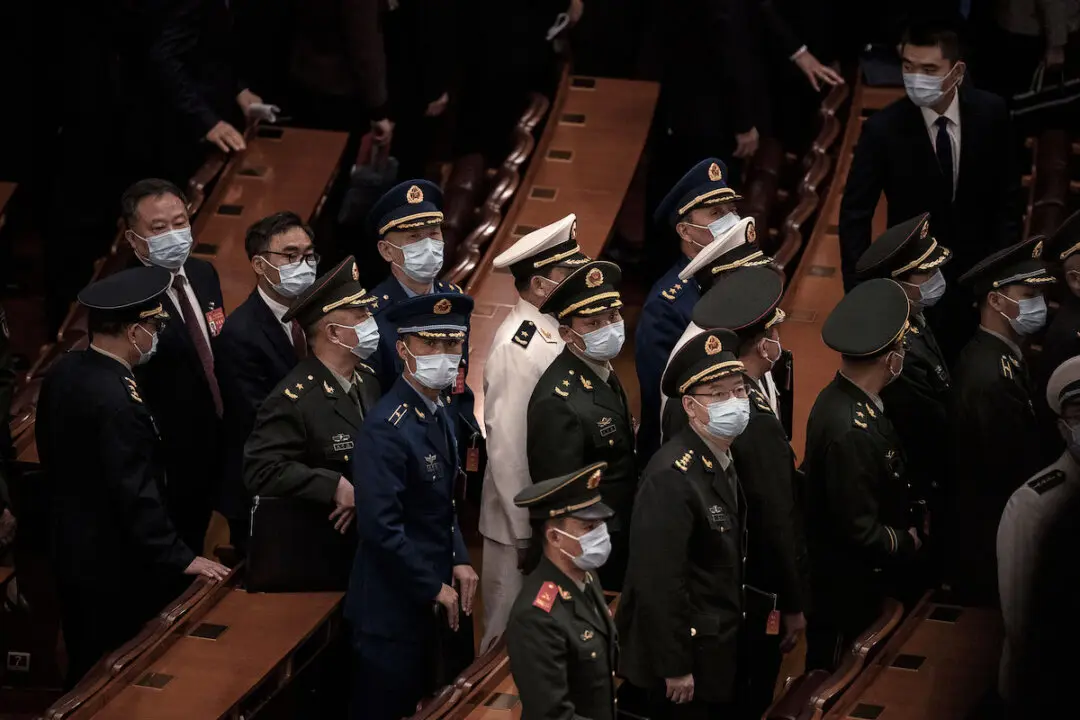
When Chinese state media aired footage from the Feb. 5 “Capital Military-Political Symposium,” only seven lieutenant generals and 13 major generals were in attendance, with no full generals present.
For analysts of Chinese Communist Party (CCP) elite politics, the absence was striking and potentially revealing.
The contrast with previous years is sharp.
In 2024, Miao Hua, who was a PLA Navy admiral and the director of the Central Military Commission’s Political Work Department, attended the meeting alongside seven lieutenant generals. In 2025, the deputy head of the same department, He Hongjun, a PLA army general, appeared with four lieutenant generals.
Both men have since been purged and removed from power.
Miao was removed from office in July 2024, while He was expelled from the Party and military ranks in October 2025.
Among the four lieutenant generals who attended in 2025, two were absent this year, and their current positions remain unclear.
Over the past three years, only one officer—PLA Air Force Deputy Political Commissar Ji Duo—has consistently attended the symposium. Nearly all others have rotated out, many under clouds of investigation.
The pattern underscores the internal power struggles at the top of China’s military since the CCP’s 20th National Congress in 2022. Since then, at least 15 active-duty full generals have been publicly investigated, while roughly 20 more have effectively vanished from public life. Only four full generals are believed to be functioning normally in their posts, including Central Military Commission (CMC) Vice Chairman Zhang Shengmin and Defense Minister Dong Jun.
For a regime that prizes rigid hierarchy and stability, such attrition at the top is highly unusual.
One of the most affected branches has been the PLA Rocket Force, which oversees China’s conventional and nuclear missile arsenal.
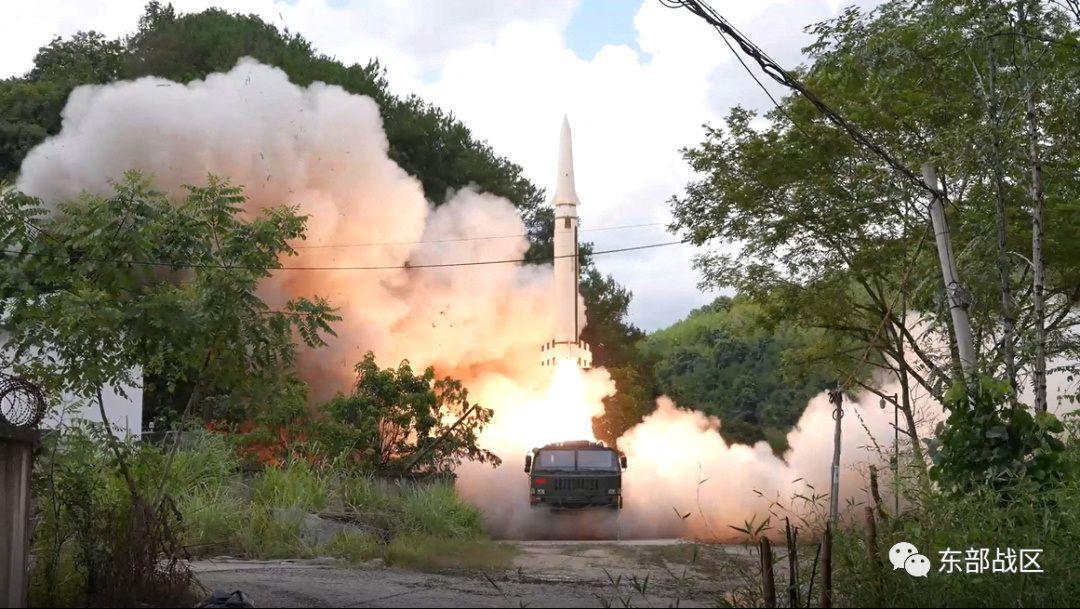
Among the seven lieutenant generals at the Feb. 5, 2026, meeting was Ding Xingnong, deputy political commissar of the rocket force—a figure whose career trajectory has drawn scrutiny.
Ding attended the symposium for two consecutive years. Yet he was passed over twice in recent Central Committee promotions and missed key Party plenums, raising questions among analysts about his standing.
‘Politics of Public Appearances’
The day after the symposium, Chinese leader Xi Jinping attended a Lunar New Year performance for retired military cadres. Chinese state television footage showed a noticeably smaller group of senior officers accompanying him than in previous years. Only one current CMC member, Zhang Shengmin, was visibly at Xi’s side.The Lunar New Year event’s format also changed. Rather than the traditional roundtable gathering, where seating arrangements often signal hierarchy and favor, attendees were seated uniformly in an auditorium-style setting.
Shen Ming-Shih, a research fellow at Taiwan’s Institute for National Defense and Security Research, told The Epoch Times that the shift may have been designed to obscure attendance patterns and prevent outside observers from inferring personnel changes.
Chinese state media coverage emphasized that veteran comrades unanimously support the CMC chairman, who is Xi.
But Shen posits that such messaging may itself signal unease.
“In the CCP’s propaganda system, what is lacking is often what is most loudly emphasized,” he said. “The high-profile stress on loyalty suggests differing views within the military.”
U.S.-based China current affairs commentator Tang Jingyuan, analyzing what he calls the CCP’s “politics of public appearances,” told The Epoch Times that in China’s opaque system, visible presence is often a proxy for power.
“[In the CCP,] public appearances by senior officials are signals,” Tang said. “Xi is in a delicate position. There is dissatisfaction within the Party regarding some of his personnel decisions. After taking action against top military leaders, some within the Party believe he disrupted established procedures, which has triggered resistance.”
Hollowed-Out Chain of Command
The deeper issue may be structural.The CMC, which commands the PLA, now has five vacant general-level seats out of seven. Dozens of other key posts remain unfilled or occupied only in an acting capacity.
Nevertheless, according to Shen, the pool of qualified lieutenant generals eligible for elevation to full general is limited. Large-scale promotions in the short term are unlikely, leaving critical roles unfilled.
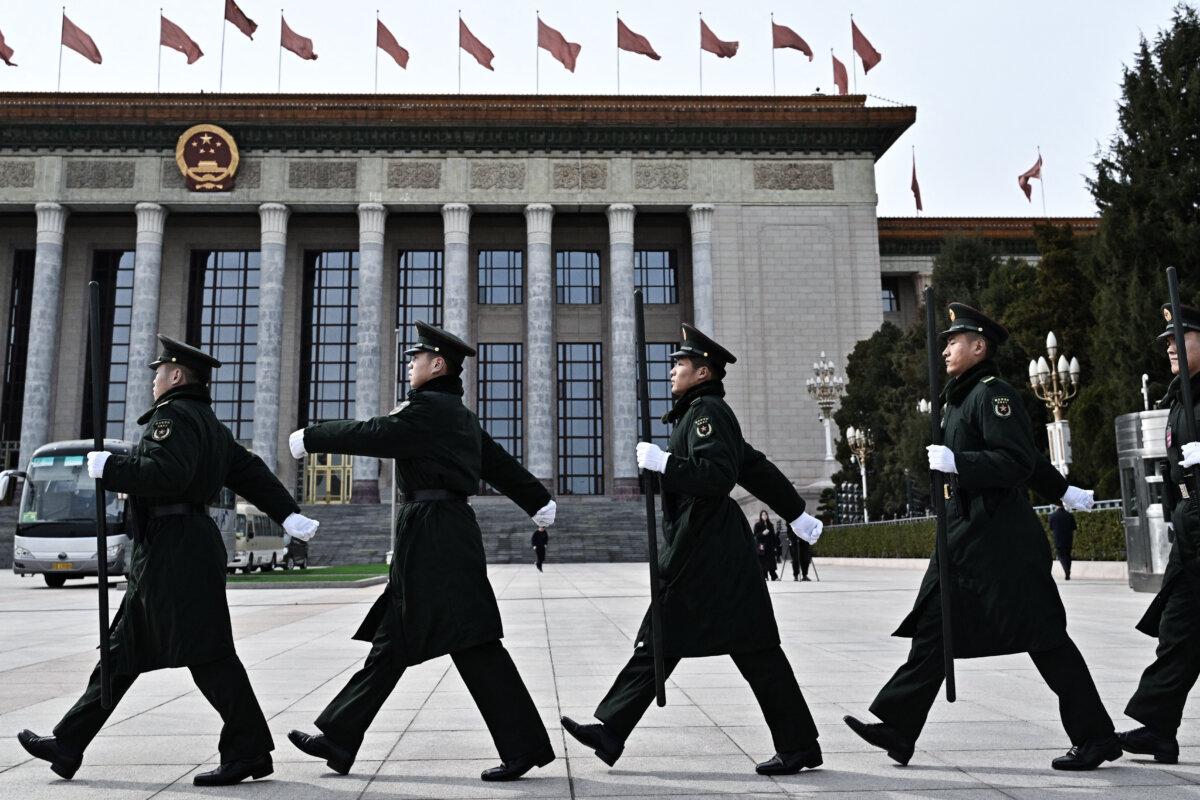
Tang said the most important indicators to watch are the Eastern and Central Theater Commands, which are responsible, respectively, for Taiwan contingencies and the defense of Beijing.
“Who is promoted to full general in these commands, and what factional background they have, will be crucial signals,” Tang said. “Traditionally, promotion to full general is a stepping stone to entering the CMC.”
If CMC directives were to encounter passive resistance at the theater level, Tang said, it would suggest that Xi’s grip on the military remains contested.
“In the CCP political structure, the top leader’s power ultimately depends on control of the gun,” he said. “If that control weakens, it means that the foundation of authority is challenged.”
https://www.theepochtimes.com/china/chinas-annual-military-meeting-reveals-unusual-absence-of-top-generals-amid-ongoing-purge-5983905?ea_src=frontpage&ea_med=section-1


No comments:
Post a Comment