The Senate approved the bill in a bipartisan 77–20 vote.
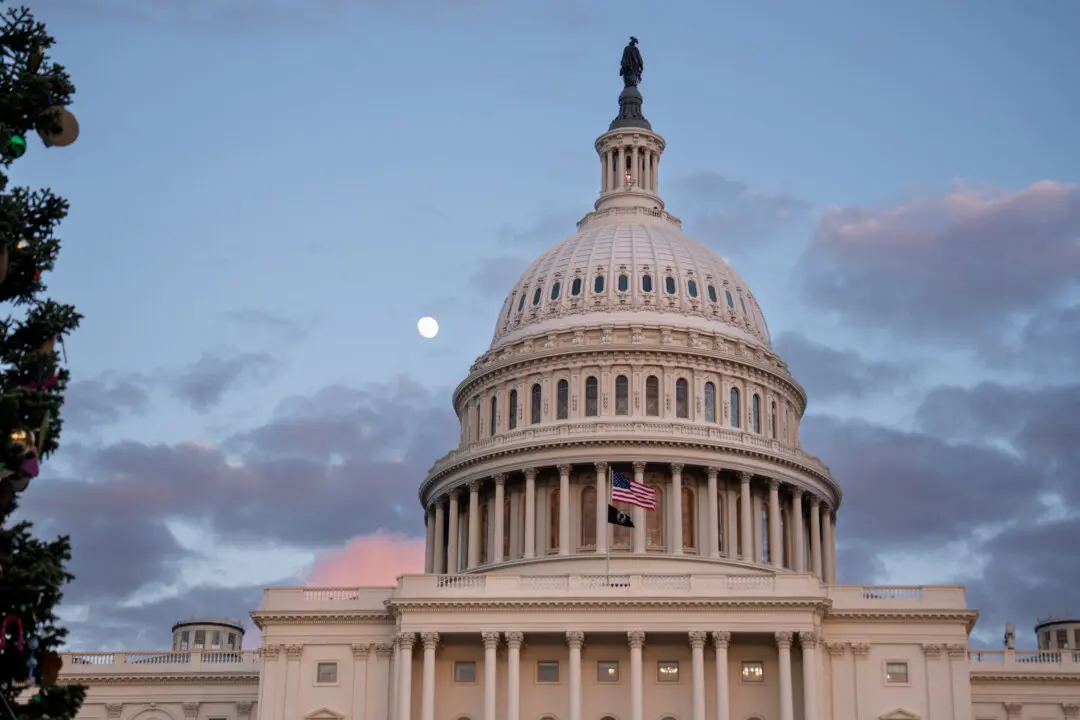
The U.S. Senate on the evening of Dec. 15 gave the green light to a $901 billion draft of the must-pass National Defense Authorization Act (NDAA), which sets defense policy and funding levels for the upcoming fiscal year.
The Senate approved the bill in a bipartisan 77–20 vote.
It will now head to President Donald Trump’s desk to be signed into law.
The bill had already been passed by a wide bipartisan margin in the U.S. House, which approved the legislation in a 312–112 vote on Dec. 10. Eighteen Republicans and 94 Democrats voted against the package there.
This draft—the most recent of several proposals for the mammoth Pentagon bill—was offered as a compromise between previous versions of the legislation brought by the House and the Senate.
The previous House version of the bill aligned with a $893 billion budget request from the White House, while the Senate’s original draft would have authorized $925 billion in funding for national security programs.
The current draft sits in the middle, with a top-line cost of $901 billion.
This means the bill is poised to become the most expensive NDAA in U.S. history if signed into law, outpacing the previous record of $886 billion in the fiscal year 2024 iteration of the legislation.
However, the NDAA doesn’t technically authorize any new funding—that’s handled under a separate bill passed through the congressional appropriations process.
Military Aircraft Regulations
A key controversy regarding this year’s iteration of the NDAA—which has drawn criticism from Sens. Ted Cruz (R-Texas) and Maria Cantwell (D-Wash.)—is language related to military aircraft regulations.Specifically, the fiscal 2026 draft of the NDAA would allow some military aircraft to receive waivers allowing them to operate without broadcasting their precise location.
Military aircraft have been barred from doing so since January, when the practice contributed to a deadly crash over the Potomac River near Ronald Reagan National Airport in Washington. The crash killed all 67 people aboard the two aircraft.
On Dec. 15, Cruz and Cantwell were joined by some of the victims’ families during a press conference to urge Congress to strip the waiver provisions from the NDAA.
However, because the legislation had already passed in the House, this would have delayed final passage, making the alteration unlikely.
Cruz has threatened another government shutdown over the issue in January if it’s not addressed.
When he was asked about these regulatory concerns on Dec. 15, Senate Majority Leader John Thune (R-S.D.) responded that he hoped to hold a vote to add the legislation Cruz and Cantwell introduced last summer, called the ROTOR Act, to a government funding package this week.
https://www.theepochtimes.com/us/senate-passes-900-billion-defense-bill-sending-it-to-trumps-desk-5958673



No comments:
Post a Comment