Authorities seek tip-offs on corruption involving all aspects of hardware and services procurement for the military branch.
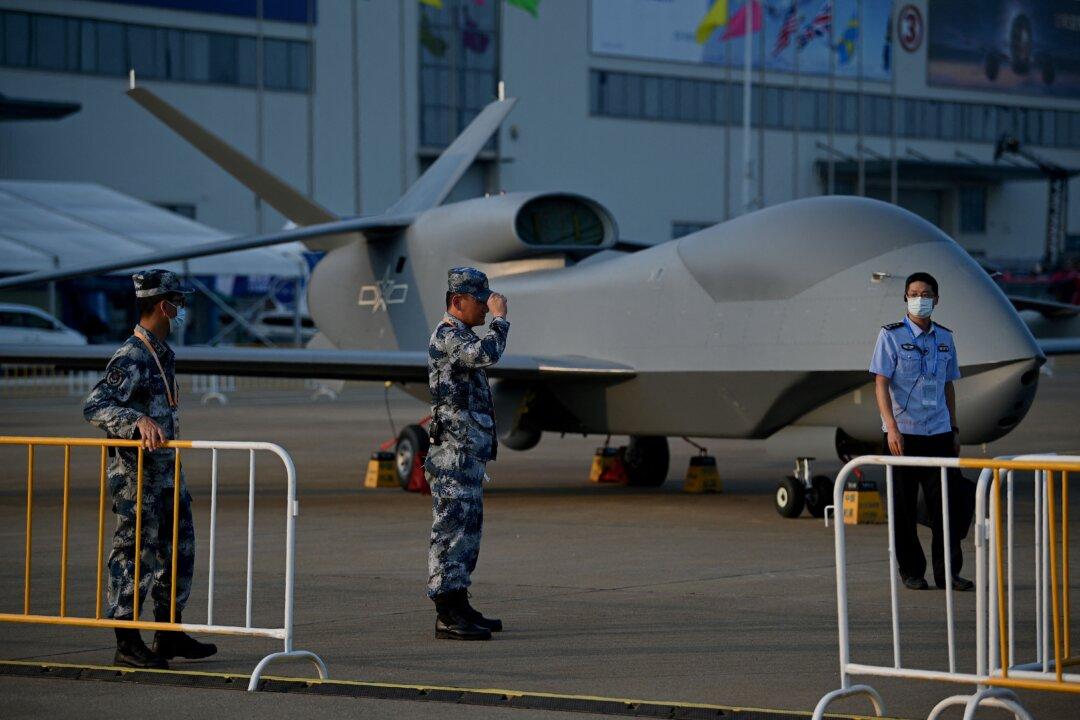
The investigation, announced in a Dec. 15 notice on the military’s official procurement platform, specifically targets the People’s Liberation Army (PLA) Air Force.
The PLA seeks tip-offs on all aspects of hardware and services procurement, from the drafting of demands and evaluation of tenders, to contract performance assessment and the selection of bidding agencies, according to the notice.
This appeal was described by some overseas Chinese-language media as unprecedented, noting that the PLA had never made such a request aimed at a specific branch of the military.
In July 2023, the PLA’s Equipment Development Department issued a brief notice encouraging citizens to report potential corruption and misconduct related to hardware procurement going back to October 2017. No reason was given for limiting the inquiries to that date.
Over the past two years, the renewed purges have swept through almost every service branch of the PLA—the Army, the Navy, the Air Force, and the Rocket Force—as well as its armed police forces.
The latest notice has set off speculation about the fate of Air Force leadership.
“It’s possible that China had already received reports of disciplinary issues concerning the Air Force’s commander and political commissar,” said Su Tzu-yun, a research fellow at the Institute for National Defense and Security Research, a Taiwan government-funded think tank.
Su, who has closely tracked the PLA, called the notice an “indirect acknowledgment” of earlier reports suggesting that Chang was under scrutiny.
“I’m not optimistic about Chang Dingqiu’s fate,” he told The Epoch Times.
As of Dec. 19, Beijing has neither announced any investigation into Chang nor commented on his health status.
Chang, a rising star within the Air Force, was appointed deputy commander of the South Theater Command in 2016, shortly after Chinese leader Xi Jinping overhauled the country’s armed forces and established that battle zone. In 2021, Chang was chosen to lead the Air Force and elevated to full general, making him the youngest officer in the PLA to hold that rank at 54 years old.
Chang’s relatively young age, along with a swift rise through the ranks, has been widely interpreted by China watchers as an indicator that he is one of Xi’s trusted lieutenants.
The latest notice adds to signs that the CCP’s decade-long political purge in the military remains unfinished.
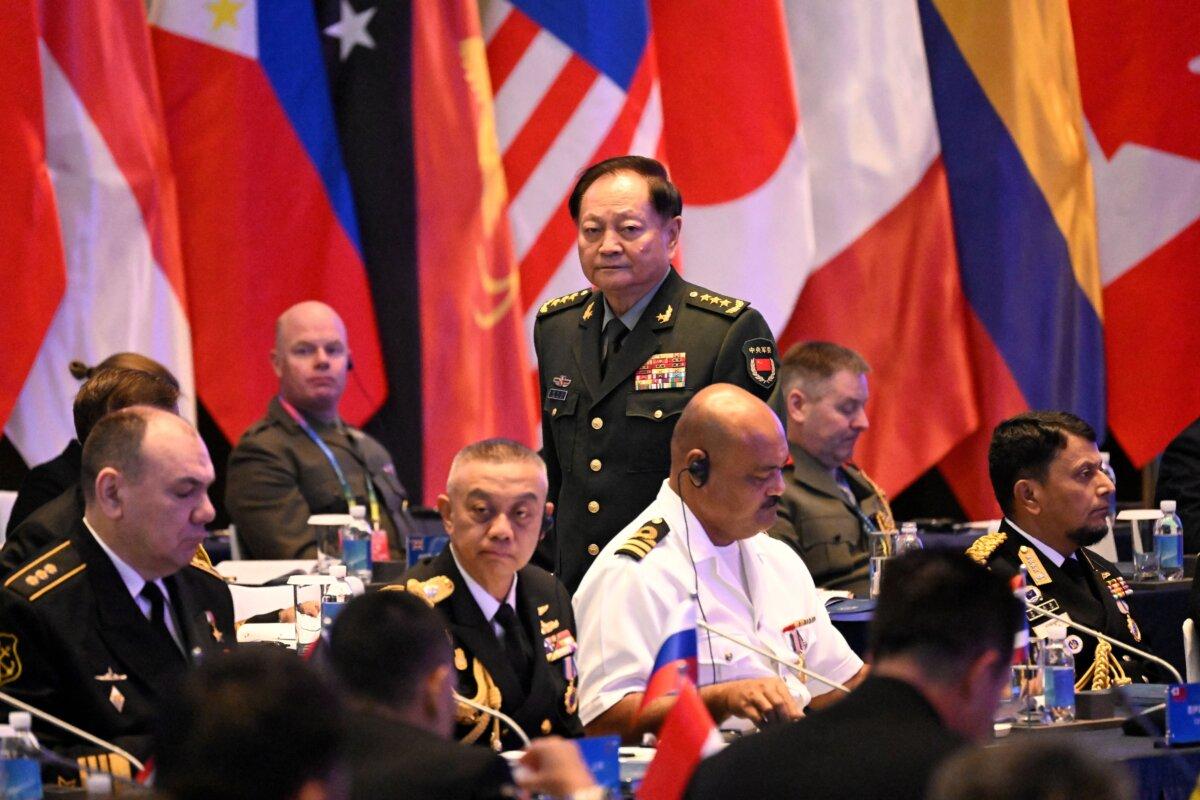
Established by Xi on the final day of 2015, the secretive Rocket Force manages the country’s conventional and nuclear missiles. Over the past three years, the force’s all four commanders—Wei Fenghe, Zhou Yaning, Li Yuchao, and Wang Houbin—have fallen from grace.
As the purge continues, the CCP has become increasingly secretive about inquiries into senior officials.
In late November, the NPC revealed in a work report that Sun had been placed under investigation for “serious discipline and law violations,” which often refers to corruption.
Sun, who headed the PLA’s auditing office, was a member of the Central Commission for Discipline Inspection, the CCP’s leading anti-corruption body.
https://www.theepochtimes.com/china/purge-deepens-in-chinas-air-force-as-military-asks-public-to-report-procurement-graft-5960094?ea_src=frontpage&ea_med=section-1


No comments:
Post a Comment