CCP Virus-Shaped Hailstones Fell From the Sky Destroying Crops in Beijing
Many large hailstones destroyed cars and crops. A video shows damaged crops in Baoding, a city in Hebei Province 86 miles from Beijing. Farmers anticipate total crop failure this year.
Mudslides Destroy Hundreds of Homes In Chinese Villages, Many Feared Dead
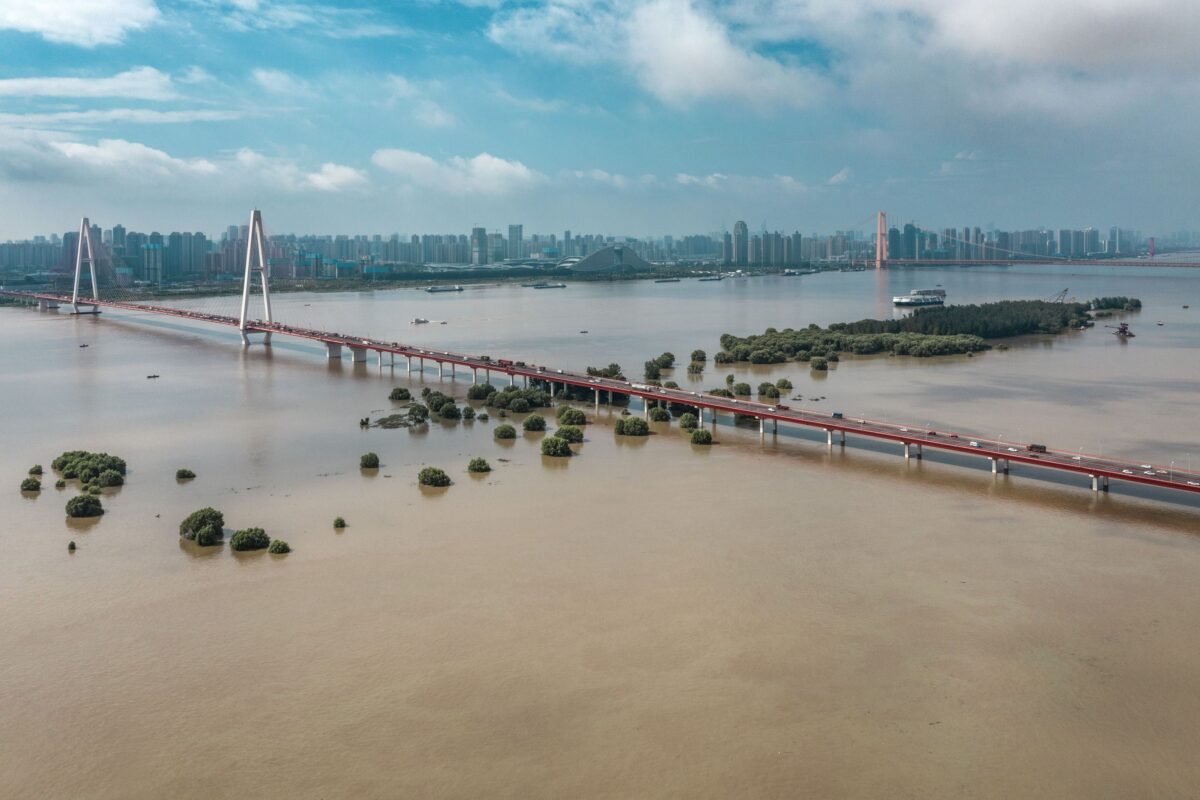
Four villages in the southwestern Chinese province of Guizhou were buried by mudslides in the early morning of July 8, causing roughly five hundred villagers to lose their homes within minutes. Meanwhile, heavy rain in other regions led to several rivers breaking their banks and submerging crop fields.
Mudslides also occurred other parts of Guizhou and in central China’s Hubei Province, but it was not immediately clear how many people were buried underneath.
Continuous rainfall has inundated the regions of Hubei, Guizhou, Hunan, Anhui, Fujian, Jiangxi, Sichuan, Chongqing, Zhejiang, Jiangsu, Yunnan, Guangxi, and Guangdong. The number of residents in these areas equates to roughly half of the entire Chinese population (about 695 million), but authorities claimed that only about twenty million people were impacted by the recent flooding.
Moreover, residents close to the site of mudslides in Guizhou told the Chinese-language Epoch Times that local authorities did not allow them to approach the disaster area and refused to tell them about the situation there.
Coverup
After 4 a.m. on July 8, heavy rain caused mudslides to wash away houses in Ganlong township, Tongren city in southwestern China’s Guizhou Province. Local authorities announced that 133 houses were destroyed and 507 people lost their homes.
But local villagers said the devastation was in fact much greater.
Beijing Authorities Covered Up New Virus Cases in Local Neighborhood: Resident
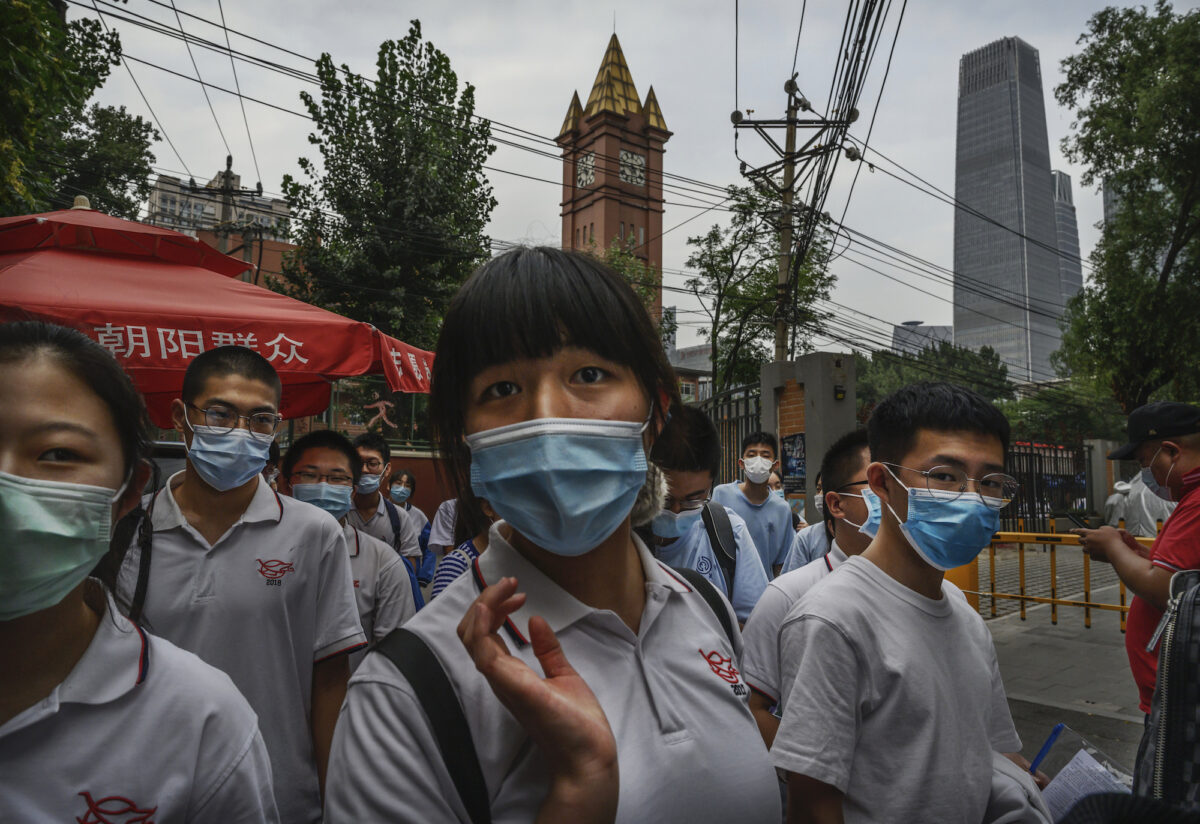
Two people who live in the Liuyi residential compound, located in the city’s Daxing district, were recently found to be infected with the CCP virus, according to a resident named Ms. Li, who is familiar with local virus outbreak information.
The entire compound, which is home to roughly 1,000 residents, was locked down after the new cases were discovered, on July 4; only one small gate remains open for grocery deliveries, she said.
However, the Beijing municipal health commission hasn’t reported any confirmed patients from the Liuyi compound in recent days.
Li shared with The Epoch Times a government list of local businesses and residential complexes that were mandated to conduct systematic disinfection and nucleic acid testing, including a total of 43 locations in Beijing.
However, under the Daxing district category on the list, the Liuyi residential compound was missing, which Li believes is because Beijing authorities purposely sought to conceal the new infections.


No comments:
Post a Comment